How to Find Your Brand as a Musician
Every successful independent musical artist has a clear sense of identity — not just through their sound, but through their story, visuals, and values. Your musical artist brand identity is what makes fans connect to you beyond the music. It’s how they recognize you, relate to you, and remember you.
Here’s a step-by-step guide to defining your brand identity as a musician.

Step 1: Will Your Story Be Based on You or a Persona?

The first step in building your artist brand identity is deciding whether your story will center around your real self or a crafted persona.
Some artists, like Taylor Swift or Billie Eilish, build their identity around their personal life, emotions, and evolution as individuals. Others create an alter ego — think Lady Gaga or Chappell Roan — allowing them to explore larger-than-life storytelling through their music.
There’s no wrong choice; what matters is consistency. If your audience connects with your vulnerability and authenticity, being yourself may strengthen that bond. But if you prefer performance art, mystery, or character-driven storytelling, a stage name or persona can help you express that creatively.
Answer these questions:
- What part of my story do I want people to connect with?
- How do I want my fans to perceive me?
Does my real name reflect the artistic world I’m trying to build?
Step 2: Create a Vision Board for Your Artist Brand Identity

Before you release new music or launch a new era, take time to visualize your brand.
A vision board can include:
- Colors that represent your vibe or genre
- Fonts and textures for your branding
- Outfits, moods, and photography inspiration
- Musicians, films, or aesthetics that align with your sound
Creating this visual foundation helps you define your musician aesthetic and stay consistent with your imagery across album art, social media, and stage design.
For independent musicians, a vision board is a low-cost but high-impact way to clarify how you want to be seen — before you invest in photoshoots, videos, or merch.
Step 3: Develop Your Visual Aesthetic

Your visual aesthetic is the visual language of your brand. It’s how you communicate emotion and tone before anyone even hears your music.
Of course, your image will evolve as your sound and career do, but it’s important to set a cohesive aesthetic for each new chapter or album cycle. This creates a deeper, more immersive world for fans to live in and identify with.
Think of how Billie Eilish made neon green and black her signature look from 2019 to 2021 — what she called her “career-defining look.” It wasn’t just about style; it was storytelling. Her color palette, clothing, and stage design all mirrored her music’s emotional tone, making her instantly recognizable.
You don’t need to dye your hair a bold color, but tying your visual identity to a color, style, or motif helps fans connect your image to your sound. It’s one of the simplest yet most powerful ways to strengthen artist brand identity.
Step 4: Define Your Values and Beliefs

Your values are the emotional backbone of your brand. They shape how you connect with your fans and what type of community you attract.
Ask yourself:
- What do I believe in?
- What issues or causes am I passionate about?
- What message do I want my music and presence to stand for?
When you lead with values, you attract listeners who share those beliefs. For example, Alicia Keys made women’s empowerment a core part of her identity — not only through her lyrics but by founding She Is the Music, a nonprofit supporting women in the music industry.
As an independent artist, being vocal about what matters to you can help you build a loyal fan base that connects with you on a deeper level — beyond playlists or trends.
Step 5: Craft Your Storytelling Strategy
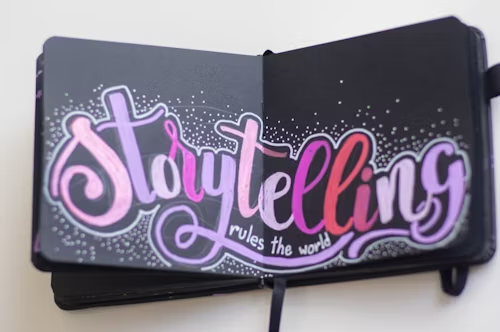
Storytelling is at the heart of every great artist’s brand identity. What story are you telling through your lyrics, visuals, and content?
Your story could be about transformation, resilience, love, nostalgia, rebellion — whatever feels real to you. Every song, album, and post should contribute to that ongoing narrative.
For example:
- Are you the artist who inspires confidence and freedom?
- The dreamer who helps others process heartbreak?
- The visionary creating cinematic worlds through music videos?
Define your story clearly, and you’ll attract fans who resonate with that journey.
Step 6: Identify Your Target Audience as a Musician

Finally, knowing who you’re speaking to is key to effective music marketing and fan engagement.
Identifying your target audience as a musician involves asking:
- What age group and interests do my fans have?
- What emotions do they feel when listening to my music?
- Where do they hang out online or in-person — TikTok, Instagram, Discord, live shows?
When you understand your listeners, you can design your visuals, messaging, and promotional strategy to reach them where they are.
For instance, if your sound appeals to nostalgic Gen Z listeners, lean into retro visuals or relatable social storytelling. If your audience values activism and depth, highlight your values and artistic authenticity.
The clearer your audience profile, the stronger your artist brand identity becomes.
Let's Do It!

Now it’s time to put it all together and create your brand! Your artist brand identity isn’t just about logos, colors, or outfits — it’s a reflection of your story, beliefs, and aesthetic. By understanding your musician aesthetic, staying true to your values, and clearly identifying your target audience, you create an authentic foundation that connects deeply with listeners.
As an independent musician, your power lies in authenticity. Your story, visuals, and music work together to build a world your fans want to live in — and that’s how you turn followers into lifelong supporters.